Where candidates stand

Where candidates stand on seniors.

Toronto votes for mayor on October 26. Here is what the leading candidates have put on the public record for older adults, side by side, with every source linked, and how Ontario’s party leaders in office measure up.

CASL doesn’t rate or rank candidates, and doesn’t endorse or oppose any candidate or party.

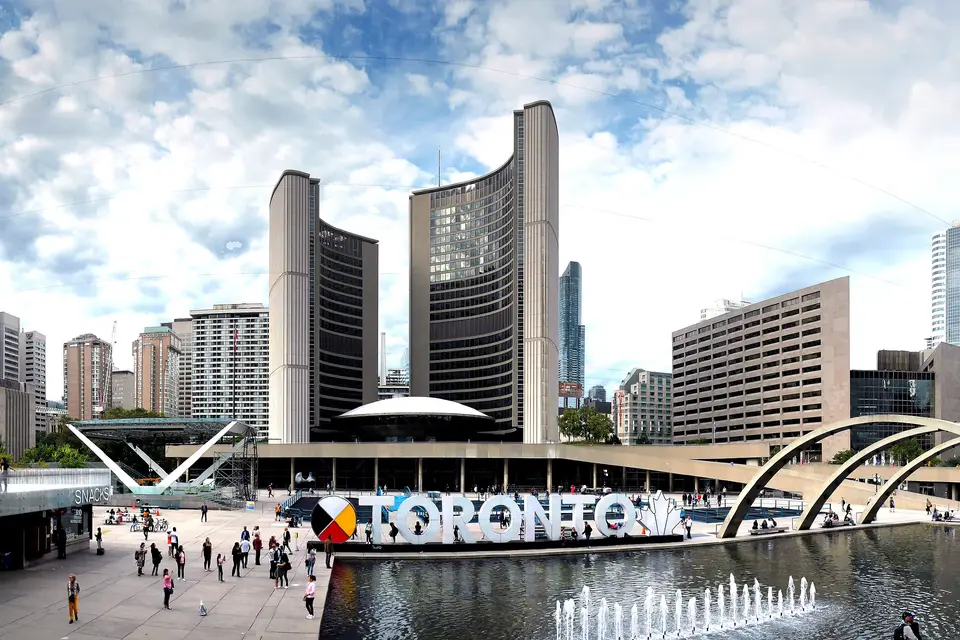
Toronto City Hall and Nathan Phillips Square, with the Toronto sign and the fountain
Photo: Bernard Spragg. NZ, cropped, CC0, via Wikimedia Commons

In short

What politicians in Toronto and Ontario have put on the public record for older adults, in five areas: health and care; money; housing and staying at home; getting around and safety; and community and caregivers, with a link to the source for every line.

Toronto’s race for mayor (election day October 26): what Brad Bradford and Olivia Chow have said and promised for older adults, side by side. Candidates are not rated.

Ontario’s party leaders, who hold office and are not running in an election now, get the CASL Seniors Score, 0 to 5 castles for how specific their public record is for older adults. As of October 11, 2026, Doug Ford scores 4.5, Mike Schreiner scores 2 and Marit Stiles scores 1.5. The Ontario Liberal Party is not scored yet: it announces its new leader on November 21, 2026. We will score the new leader’s commitments for older adults.

CASL doesn’t rate or rank candidates, and doesn’t endorse or oppose any candidate or party. Last reviewed October 11, 2026.

CASL doesn’t rate or rank candidates, and doesn’t endorse or oppose any candidate or party. For candidates in an election we show only what is on the public record, side by side, with the source for every line, so you can read it and decide for yourself. CASL takes no money, ads or favours from any candidate or party.

Election day is Monday, October 26, 2026, from 10 a.m. to 8 p.m.

Toronto: the race for mayor

More than 50 people are running for mayor. Here is what the candidates leading the polls and taking part in the main debates have put on the public record for older adults, side by side, in alphabetical order. CASL doesn’t rate, rank, endorse or oppose candidates. Any candidate can send us public commitments to add, by the same rules.

Chris Alexander ended his campaign on October 6 and did not endorse another candidate. His name stays on the ballot because the deadline to withdraw had passed. Source: CP24: Chris Alexander drops out of race to become Toronto’s next mayor, October 6, 2026

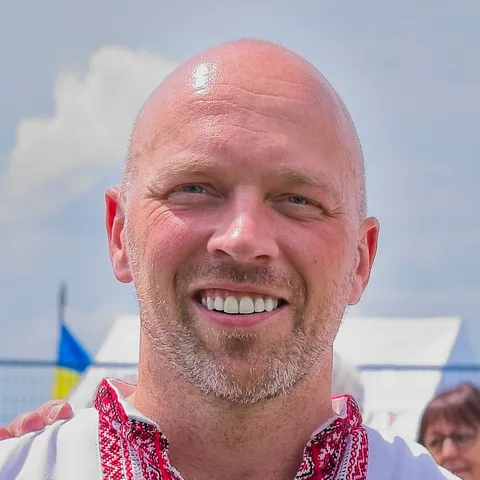
Brad Bradford, smiling, at an outdoor community celebration in Toronto in 2026
Photo: Mykola Swarnyk, cropped, CC BY-SA 4.0, via Wikimedia Commons

Running for mayor of Toronto. City councillor for Ward 19, Beaches-East York, since 2018.

Brad Bradford

Has spoken about older adults and safety, traffic and costs, and promises to expand the City’s air conditioner help for low income seniors.

CASL doesn’t rate, rank, endorse or oppose candidates. This is what is on the public record, with the source for every line.Last reviewed October 11, 2026Full recordSend a commitment
Olivia Chow, smiling, at the Toronto International Film Festival in 2024
Photo: Frank Sun, cropped, CC BY-SA 4.0, via Wikimedia Commons

Mayor of Toronto since 2023, running for re-election.

Olivia Chow

Her campaign has a plan for seniors that it says would reach 28,000 people, with help at home, mobile dental and primary care, and community connectors where many older people live.

CASL doesn’t rate, rank, endorse or oppose candidates. This is what is on the public record, with the source for every line.Last reviewed October 11, 2026Full recordSend a commitment

Voting in Toronto on October 26

  • Voting places are open from 10 a.m. to 8 p.m.
  • If you can’t go inside, you can ask for your ballot to be brought to you outside the voting place.
  • Voter Assist Terminals let people with disabilities vote on their own. Every voting place has a braille guide and ballot overlays, and you can bring a friend or support person.
  • Can’t get there at all? Name someone you trust to vote for you as a proxy. The City Clerk must certify the form by 4:30 p.m. on October 26.
  • Voting by mail: completed packages must reach Toronto Elections by noon on October 14.
  • Not on the voters’ list? You can add yourself when you vote, with ID showing your name and Toronto address. Photo ID isn’t needed.

Questions: call 311 or email AccessibleElections@toronto.ca. Every city and town in Ontario votes the same day; your own city’s website lists its voting places and accessible options.

Source: City of Toronto: Fact sheet, 2026 Toronto municipal election, September 22, 2026

The leaders of the parties with seats in the Legislature. No provincial election is under way.

Ontario: the party leaders at Queen’s Park

These leaders hold office and are not running in an election now, so they get the CASL Seniors Score, by the rules below. A government’s record counts as well as its promises, so the Premier is scored on what his government has funded. The other parties are scored on their latest platform, from the February 2025 election, and anything they have published since.

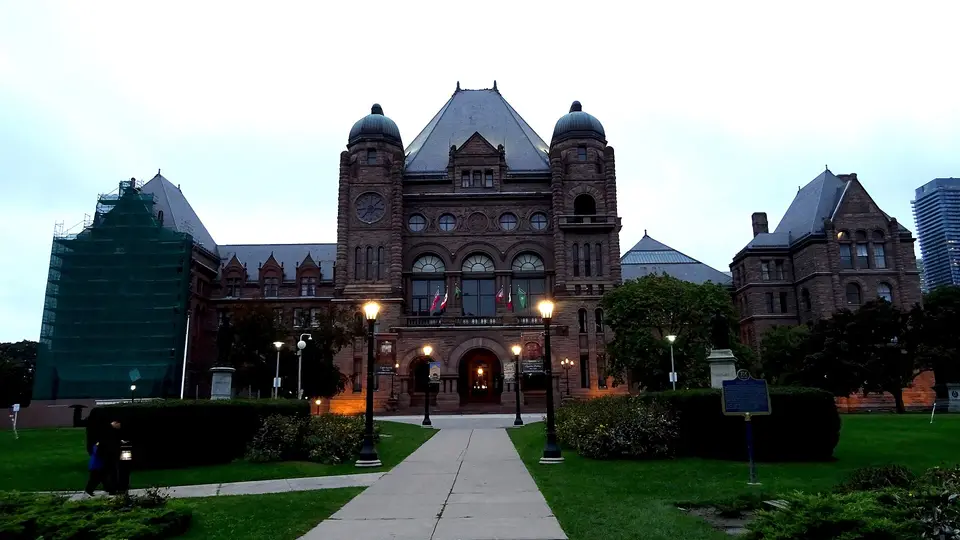
The Ontario Legislative Building at Queen’s Park in Toronto, at dusk
Photo: Spudgun67, cropped, CC BY-SA 4.0, via Wikimedia Commons
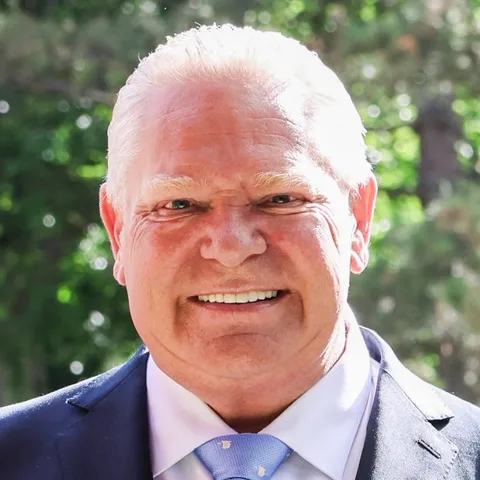
Doug Ford, smiling, outdoors in 2026
Photo: U.S. Ambassador to Canada Pete Hoekstra, cropped, Public domain, via Wikimedia Commons

Premier of Ontario since 2018. Leader of the Progressive Conservative Party.

Doug Ford

His government can point to funded programs for older adults, with numbers, in most areas. Reporting in March 2026 said Ontario is unlikely to reach its 2028 long-term care bed goal.

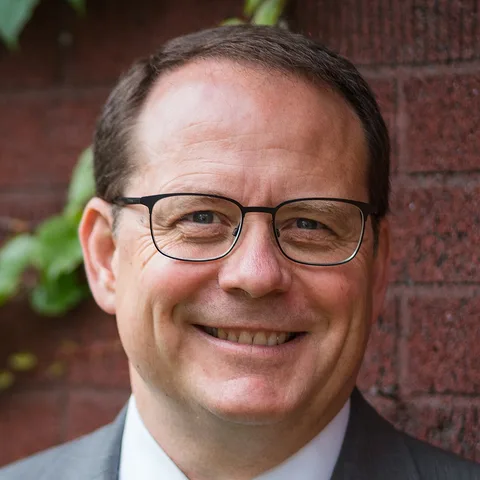
Mike Schreiner, smiling, in front of a brick wall in 2021
Photo: Angus Chan, cropped, CC BY-SA 4.0, via Wikimedia Commons

Leader of the Green Party of Ontario. MPP for Guelph.

Mike Schreiner

The Green Party’s 2025 platform promised 48,000 non-profit long-term care spaces by 2029, and help with seniors’ housing and caregiving without numbers.

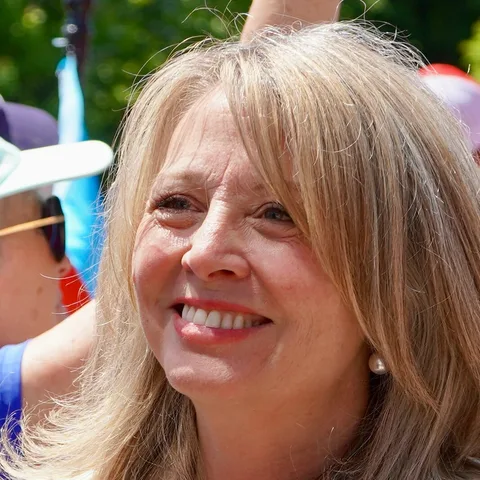
Marit Stiles, smiling, at an outdoor event in Toronto in 2024
Photo: OntarioNDP, cropped, CC BY-SA 4.0, via Wikimedia Commons

Leader of the Ontario NDP and of the Official Opposition. MPP for Davenport.

Marit Stiles

The NDP’s 2025 platform promised changes to home and long-term care, a Seniors Home Safety Grant and a monthly Caregiver Benefit, without numbers.

Who is responsible for seniors in government

At Queen’s Park, the ministers whose work touches older adults most: Raymond Cho, Minister for Seniors and Accessibility; Natalia Kusendova-Bashta, Minister of Long-Term Care; and Sylvia Jones, Deputy Premier and Minister of Health. In Ottawa: Stephanie McLean, Secretary of State (Seniors).

Sources: Ontario Newsroom: changes to cabinet, September 10, 2026; Government of Canada: Secretary of State McLean marks National Seniors Day, October 1, 2026

How we choose what to show

The same rules for everyone: only public, dated sources, each one linked, in five areas that matter to older adults. Candidates in an election are shown, never rated.

Five areas

  • Health and care: home care, long-term care, doctors, dentists, drug costs and dementia care.
  • Money: income, pensions, taxes, fees and fares aimed at older adults.
  • Housing and staying at home: homes for older adults, help at home, repairs and changes that let people stay in their homes.
  • Getting around and safety: transit, Wheel-Trans, accessible streets, crime, scams and elder abuse.
  • Community and caregivers: loneliness, seniors’ centres and programs, and support for family caregivers.

Each line is labelled

Record is something already done or funded. Promise is a commitment for the future. Said is a statement about older adults’ needs, in the person’s own words or a published account of them.

The CASL Seniors Score, for party leaders in office

Ontario’s party leaders, who are not running in an election now, get a score from 0 to 5 castles for how specific their public record is for older adults. It measures one thing: how specific the record is, not whether a plan is good or enough. Each area gets up to 2 points:

  • 2 points. A commitment or record aimed at older adults with a number in it: a dollar amount, a number of people or places, or a date.
  • 1 point. Has spoken publicly about older adults’ needs in this area, or promised help without a number.
  • 0 points. Nothing on the public record for older adults in this area that we could find.

The rules

  • Candidates in an election are never scored. Their record for older adults is shown side by side, found and cited by the same rules, with no score or ranking.
  • Only public, dated sources count, and every one is linked: the person’s own campaign or party website, their government’s official pages, and news reports of what they said or did.
  • A policy for everyone, like a tax freeze for every home or lower fares for every rider, counts only where the person has tied it to older adults, and never for more than 1 point.
  • Services used mainly by older adults, like home care and long-term care, count in Health and care.
  • People in government can point to a record as well as promises, so a government’s funded programs count. Challengers can match them with specific commitments.
  • A party’s latest platform counts until it publishes a new one.
  • Five areas, up to 2 points each: 10 points make 5 castles. A person with points in fewer than two areas is shown as “Not enough on record yet”, not as a zero.
  • The same rules apply to everyone, and everyone is listed in alphabetical order.

What this page doesn’t tell you

Whether a plan is a good idea, whether it is enough, or how well a program is working. For that, read the sources linked on each card, the news, and what the candidates say in their debates.

Corrections and changes

We review everything here each week. If something is wrong or out of date, email info@thecasl.ca with a link to the public record. Every change is dated and listed on the person’s own page.

Questions to ask a candidate at your door

One for each area. Whatever the answer, ask the follow up that matters most: how much, for how many people, and by when?

  • Health and careWhat will you do so older people can get care at home, and see a doctor or a dentist close to home?
  • MoneyWhat will you do about costs for people on fixed incomes, like property taxes, fees and fares?
  • Housing and staying at homeHow will you help people stay in their own homes as they age, or find a home that suits them?
  • Getting around and safetyWhat will you do about Wheel-Trans, accessible sidewalks and transit, and scams aimed at older people?
  • Community and caregiversWhat will you do about loneliness, seniors’ programs and support for family caregivers?

For candidates and campaigns

Any candidate can be shown. Publish your commitments for older adults, on your website, in a statement or in the news, and send us the link. We review new commitments every week and add them by the same rules as everyone else.

Candidates are never rated. CASL never asks for money, ads or endorsements, and nothing on this page depends on anything done for CASL.

For journalists

Free to quote and share, with credit to CASL, the Chamber for the Advancement of Senior Living. Every line links to its public source, and all of it is in one data file. CASL doesn’t rate or endorse candidates.

Questions: info@thecasl.ca.

Questions

Does CASL rate or endorse candidates?

No. CASL doesn’t rate or rank candidates, doesn’t endorse or oppose any candidate or party, and takes no money, ads or favours from any. For candidates in an election we show what each has put on the public record for older adults, side by side, with every source linked, so you can judge for yourself.

What is the CASL Seniors Score?

A measure, from 0 to 5 castles, of how specific a party leader’s public record is for older adults, in five areas: health and care, money, housing and staying at home, getting around and safety, and community and caregivers. It is only for people in office who are not running in an election now: today, Ontario’s party leaders. It is made by CASL, the Chamber for the Advancement of Senior Living.

What does “Not enough on record yet” mean?

That we found something for older adults in fewer than two of the five areas. It isn’t a zero: there just isn’t enough on the public record yet. A party with no permanent leader is shown as “Not scored yet”.

How can a candidate add to what is shown?

By publishing commitments for older adults and sending us the link. We add what is public by the same rules as everyone else. Candidates are never rated.

How do I vote in Toronto if getting to a voting place is hard?

Ask for your ballot to be brought to you outside the voting place, use a Voter Assist Terminal, or name a proxy to vote for you (the City Clerk must certify the form by 4:30 p.m. on October 26). Mail-in packages must reach Toronto Elections by noon on October 14. Call 311 or email AccessibleElections@toronto.ca for help.

Who is Ontario’s Minister for Seniors?

Raymond Cho is Ontario’s Minister for Seniors and Accessibility. Natalia Kusendova-Bashta is Minister of Long-Term Care, and Sylvia Jones is Deputy Premier and Minister of Health. In Ottawa, Stephanie McLean is Secretary of State (Seniors).

How often is this page updated?

Every week. The date each card was last reviewed is on it, and every change is listed on the person’s own page.

More from CASL